
Advanced Valuation Issues
Address the ownership claims and accounting items that complicate enterprise and equity value.
Move cleanly between enterprise value and equity value
Valuation becomes difficult when capital structure and accounting items do not fit a simple cash-minus-debt bridge. This live course develops a consistent treatment for stock-based compensation, noncontrolling interests, preferred stock, pensions, and equity-method investments across trading comparables and DCF analysis.
The session at a glance
Format · Live instructor-led webinar or in person Learning objectives · Evaluate stock-based compensation, noncontrolling interests, preferred stock, pensions, and equity-method investments and apply consistent adjustments in trading-comparable and DCF valuations.
Live instruction. Valuation beyond cash and debt.
Work through the adjustments that most often break the link between enterprise value, equity value, and the earnings or cash-flow metrics used in valuation. The instructor emphasizes consistent numerator-and-denominator treatment across methods.


Who this course is for
Designed for valuation professionals, investment bankers, research analysts, transaction teams, and corporate-finance professionals who encounter complex ownership and accounting items.
Preparation that makes the adjustments more useful
Bring a valuation with an unfamiliar enterprise-to-equity adjustment or a company disclosure involving options, NCI, preferred stock, pensions, or equity-method investments. Participants should understand basic trading comparables and DCF valuation before the session.
Course agenda
Apply one economic framework to five advanced adjustments across comparable-company and DCF valuation.
Evaluate stock-based compensation
We apply the treasury-stock method and determine how options and awards affect diluted equity value and relevant valuation metrics.
Incorporate noncontrolling interests
We align NCI with consolidated earnings and cash flows in enterprise value, trading multiples, and DCF analysis.
Analyze preferred stock
We classify preferred claims and apply a consistent treatment in enterprise value, equity value, and cost of capital.
Adjust for pension obligations
We separate operating and financing components and determine when a pension debt equivalent belongs in the valuation.
Treat equity-method investments
We close by adjusting value and earnings for unconsolidated investments while avoiding inconsistent or duplicated treatment.
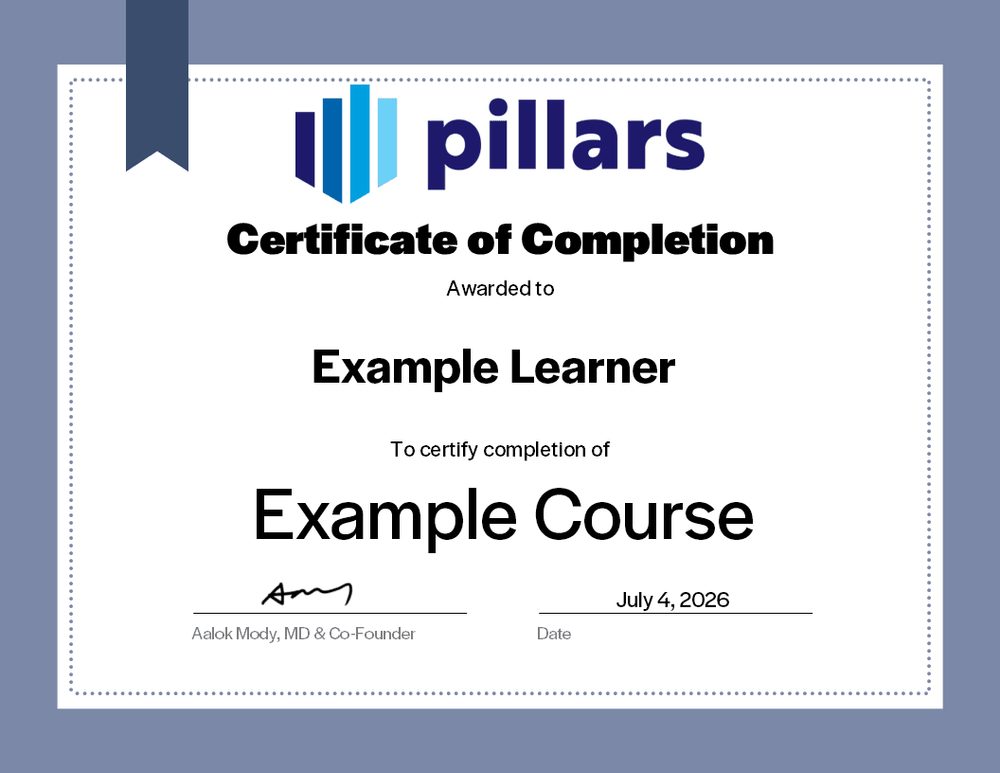
A certificate worth sharing
Upon completion, you will receive a certificate signifying your completion. Add it to your LinkedIn profile, résumé, or professional-development record.
Common questions
The practical details, in one place.
Is this live or on demand?
This is a live, instructor-led course delivered as a webinar or in person for a private business or school group.
What does the session cover?
The session covers stock-based compensation, noncontrolling interests, preferred stock, pension obligations, equity-method investments, and consistent enterprise-to-equity adjustments.
Are recordings, materials, or certificates included?
Live sessions include the materials used during the program and a certificate of completion. Recordings are not included unless explicitly arranged in advance.
I am a CPA, can this course offer CPE credit?
Yes. Eligible live sessions can be offered for CPE credit when the program is delivered and documented in accordance with Pillars’ CPE policies. Confirm the specific engagement details with Pillars before the session.
Bring advanced valuation judgment to your team.
Help your team apply one economic framework to the ownership claims and accounting balances that complicate valuation.