
Divestitures
Evaluate divestiture alternatives, transaction mechanics, financial effects, and the strategic questions that shape a separation.
Evaluate the right path for a business separation
Divestitures can sharpen strategic focus, unlock capital, separate businesses with different operating profiles, or address regulatory and portfolio priorities. Participants learn how to compare cash sales, spin-offs, split-offs, equity carve-outs, and Reverse Morris Trust structures while tracing the financial and shareholder implications of each path.
The session at a glance
Format · Live instructor-led webinar or in person Learning objectives · Explain the strategic rationale for divestitures; distinguish a taxable cash sale from common separation alternatives; describe spin-off, split-up, split-off, carve-out, and Reverse Morris Trust mechanics; identify key decision points in selecting a structure; and evaluate high-level balance-sheet, EPS, ownership, and value-creation effects.
Live instruction. Compare divestiture paths side by side.
Using actual Pillars divestiture materials, the instructor works through the monetization and disposition decision tree, then connects each branch to the mechanics of cash sales, spin-offs, split-offs, carve-outs, and Reverse Morris Trust transactions. The emphasis is on comparing alternatives rather than treating any structure as universally preferable.


Who this course is for
Designed for investment banking, corporate development, transaction advisory, private equity, accounting, strategy, and finance professionals who need to understand business separations and communicate the tradeoffs clearly.
How to prepare
Bring a simple example of a parent company with one non-core or strategically distinct business. Be ready to discuss why the parent might separate it, whether monetization is important, and which financial or stakeholder outcomes would matter most.
Course agenda
Move from strategic rationale to structure, mechanics, and financial analysis.
Establish the separation objective
Identify the strategic, financial, portfolio, liquidity, valuation, and regulatory reasons a company may pursue a divestiture.
Compare a cash sale with separation alternatives
Distinguish full monetization through a sale from structures that distribute or partially monetize subsidiary ownership.
Trace spin-off, split-up, and split-off mechanics
Follow how subsidiary shares and parent ownership change under each distribution structure.
Evaluate carve-outs and staged separations
Examine how an IPO of a subsidiary stake can establish market value and support a later separation.
Apply the decision framework
Connect strategic fit, valuation, buyer availability, market readiness, ownership, accounting, and execution dependencies to the structure choice.
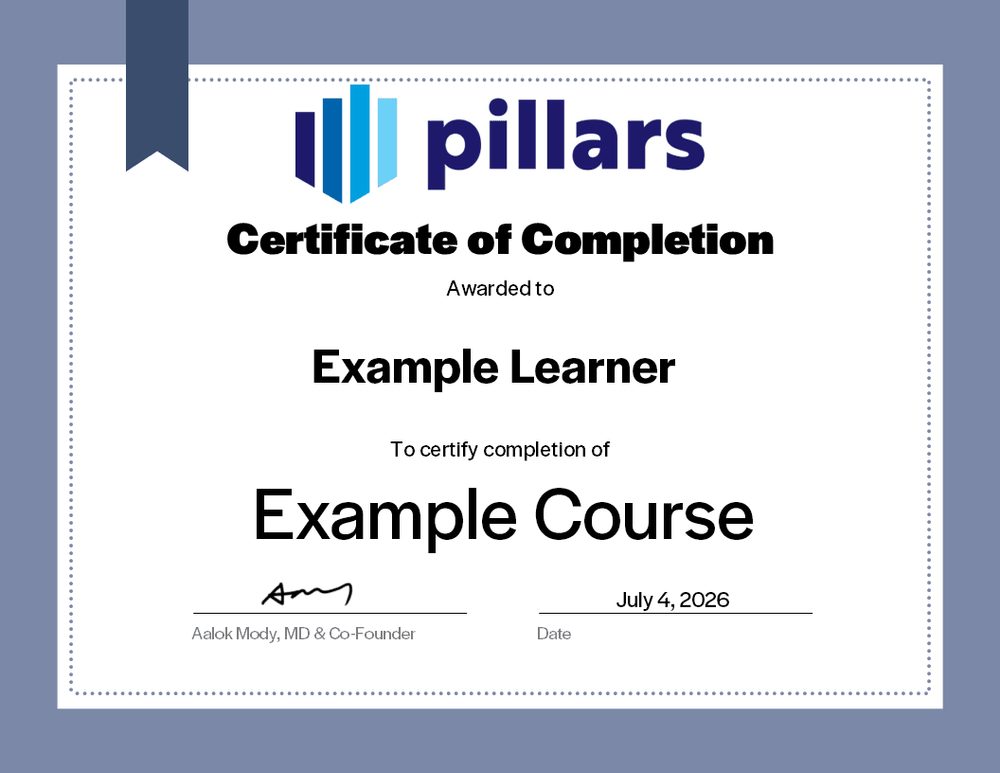
A certificate worth sharing
Upon completion, you will receive a certificate signifying your completion. Add it to your LinkedIn profile, résumé, or professional-development record.
Common questions
The practical details, in one place.
Is this live or on demand?
This is a live, instructor-led course delivered as a webinar or in person for a private business or school group.
What does the session cover?
The session covers strategic rationale, cash sales, spin-offs, split-ups, split-offs, equity carve-outs, Reverse Morris Trust transactions, decision criteria, and high-level financial effects. Legal and tax outcomes depend on the specific facts and professional advice.
Are recordings, materials, or certificates included?
Live sessions include the materials used during the program and a certificate of completion. Recordings are not included unless explicitly arranged in advance.
I am a CPA, can this course offer CPE credit?
Yes. Eligible live sessions can be offered for CPE credit when the program is delivered and documented in accordance with Pillars’ CPE policies. Confirm the specific engagement details with Pillars before the session.
Bring practical divestitures training to your team.
Help your people compare separation alternatives, understand transaction mechanics, and communicate the financial tradeoffs.