
Emergence from Chapter 11 Bankruptcy Modeling
Build a practical emergence model that connects the plan of reorganization, creditor recoveries, valuation, and the post-bankruptcy capital structure.
Model the path from distress to emergence
Emergence modeling translates a restructuring plan into a coherent post-bankruptcy forecast. This live course connects claims, recoveries, valuation, financing, and operating assumptions so participants can understand how the reorganized business is expected to perform and how value is allocated across stakeholders.
The session at a glance
Format · Live instructor-led webinar or in person Learning objectives · Explain how a plan of reorganization shapes the emergence model; connect enterprise value to creditor recoveries and consideration; build the reorganized capital structure; develop integrated post-emergence statements; and evaluate key sensitivities and risks.
Live instruction. See the restructuring plan become a model.
Work through actual Pillars restructuring materials that explain how a plan of reorganization addresses assets, liabilities, equity, exchanges, recoveries, and consideration. The instructor then connects those concepts to the model architecture required to forecast the reorganized business and analyze stakeholder outcomes.


Who this course is for
Designed for restructuring, turnaround, credit, investment-banking, private-credit, accounting, corporate-finance, and transaction professionals—as well as students—who need to understand the mechanics of a post-bankruptcy emergence model.
How to prepare
Participants should be comfortable with the three financial statements, enterprise-value concepts, and basic debt schedules. Bring a simplified capital structure or restructuring scenario you would like to analyze. The course addresses financial modeling and is not legal advice.
Course agenda
Move from the economic terms of a restructuring plan to an integrated post-emergence forecast and recovery analysis.
Frame the restructuring and emergence case
Define the debtor perimeter, major claims, operating assumptions, and plan terms that drive the model.
Translate plan treatment into consideration
Map exchanges, cash, new debt, and equity consideration to the affected creditor and equity classes.
Construct the reorganized balance sheet
Reflect debt cancellation, new financing, equity issuance, transaction adjustments, and the opening capital structure.
Build the post-emergence forecast
Integrate revenue, profitability, working capital, cash flow, and financing assumptions across the three statements.
Evaluate recoveries and sensitivities
Analyze ownership, creditor recoveries, and the effect of changes in valuation, performance, and financing terms.
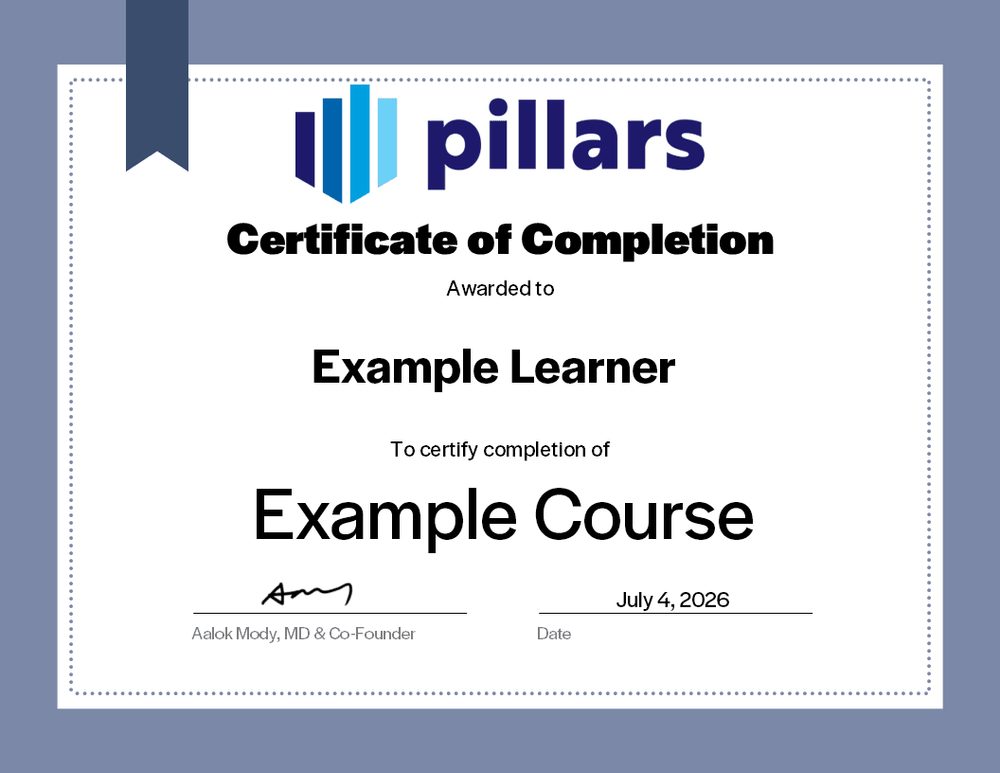
A certificate worth sharing
Upon completion, you will receive a certificate signifying your completion. Add it to your LinkedIn profile, résumé, or professional-development record.
Common questions
The practical details, in one place.
Is this live or on demand?
This is a live, instructor-led course delivered as a webinar or in person for a private business or school group.
What does the session cover?
The session covers the financial-modeling framework for restructuring and emergence, including plan treatment, consideration, recoveries, valuation, the reorganized capital structure, and integrated post-emergence projections. It does not provide legal advice.
Are recordings, materials, or certificates included?
Live sessions include the materials used during the program and a certificate of completion. Recordings are not included unless explicitly arranged in advance.
I am a CPA, can this course offer CPE credit?
Yes. Eligible live sessions can be offered for CPE credit when the program is delivered and documented in accordance with Pillars’ CPE policies. Confirm the specific engagement details with Pillars before the session.
Bring practical emergence modeling to your team.
Give your team a clearer framework for translating restructuring terms into an integrated forecast, recovery analysis, and reorganized capital structure.