
Equity Capital Markets Overview
Understand equity financing choices, issuance structures, syndicates, private placements, IPOs, and follow-on offerings.
How companies raise equity capital
Equity capital markets give companies multiple ways to fund growth, provide liquidity, and broaden ownership. This session connects the strategic financing choice with the market process used to execute it.
Participants examine private placements, public offerings, syndicate economics, and the practical decisions surrounding an IPO or follow-on transaction.
The session at a glance
Format · Live instructor-led webinar or in-person
Focus · Equity financing, private placements, syndicates, IPOs, and follow-on offerings
Learning objectives · Explain the structures, participants, economics, and decision points behind common equity transactions.
Live instruction. Real transaction context.
What to expect
- A clear comparison of equity financing routes available to private and public companies.
- A practical explanation of syndicate structure, underwriting economics, overallotment, and offering mechanics.
- Discussion of the strategic decisions companies face before, during, and after an IPO.
The goal is to understand why a structure is chosen and how the transaction moves from idea to market.


Who this is for
- Analysts and associates working in corporate finance, investment banking, or investing
- Finance leaders evaluating capital-raising alternatives
- Accountants and advisors who support equity transactions
- Students preparing for capital-markets roles
How to prepare
A basic familiarity with corporate finance and financial statements is helpful, but prior equity-capital-markets experience is not required.
Come prepared to compare financing alternatives from both the issuer and investor perspective. The session emphasizes transaction logic and decision-making rather than legal advice or current deal recommendations.
Course agenda
Five connected topics move from financing choice to transaction execution and life after the offering.
Compare the principal forms of equity capital.
Distinguish common and preferred equity, liquidity preference, and the relative advantages and tradeoffs of equity financing.
Choose between private and public financing routes.
Compare private placements, PIPE transactions, IPOs, and other public-market options based on company stage and objectives.
Understand the participants and economics of an offering.
Explain origination, syndicate roles, gross spread components, selling concessions, and the overallotment option.
Trace an IPO from preparation through trading.
Follow the major workstreams from readiness and marketing through pricing, allocation, closing, and the opening of trading.
Evaluate follow-on and liquidity alternatives.
Discuss how companies approach secondary liquidity, follow-on offerings, and additional capital needs after becoming public.
A certificate you can share
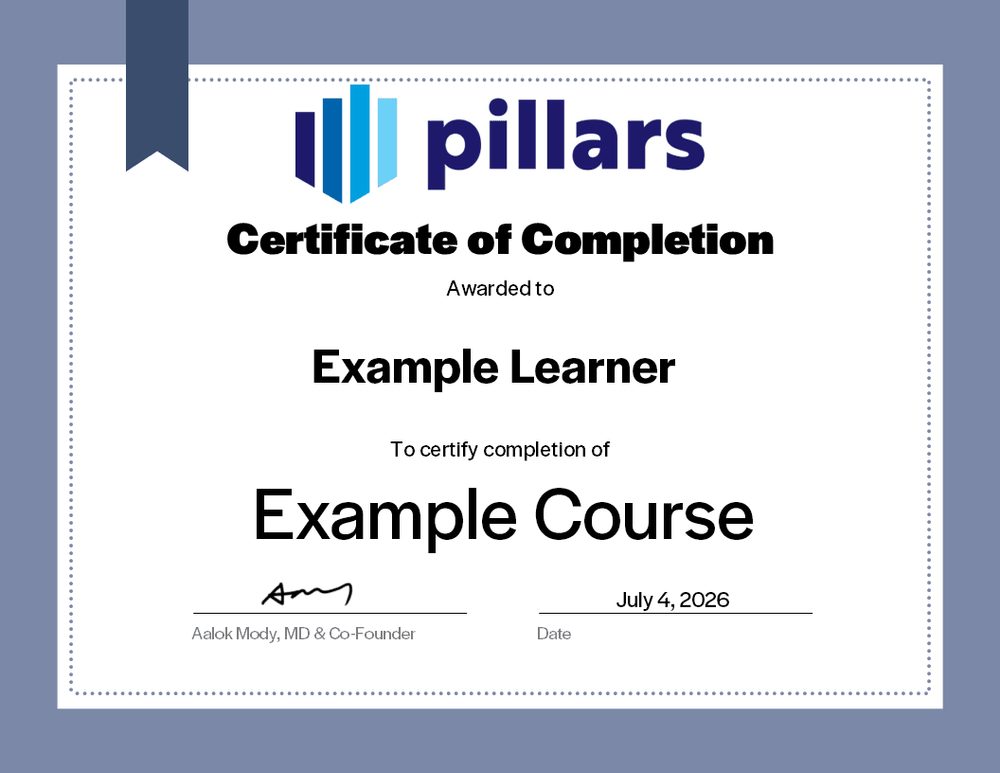
Upon completion, you will receive a certificate signifying your completion. Add it to your LinkedIn profile, résumé, or professional-development record.
Common questions
The practical details, in one place.
Is this live or on demand?
This is a live course that may be delivered via webinar or in-person.
What does the session cover?
The session covers equity financing, private placements, syndicates, IPOs, and follow-on offerings, including the participants, economics, and key decisions in equity transactions.
Are recordings, materials, or certificates included?
Materials are included with the course as well as a certificate indicating completion. Recording availability is subject to contract.
I am a CPA, can this course offer CPE credit?
Yes! Pillars is licensed to provide CPE credit hours for this course.