
Financial Statement Analysis (FSA) Live
Read the income statement, balance sheet, and cash flow statement as one connected story.
Instructors

Matthew Holaves

Brian Bland-Clark
Turn financial statements into a sharper view of performance
Overview · Outcomes · Audience · Agenda · Certificate · FAQ
Financial statements are most useful when they are read together. This live course shows how reported earnings, working capital, non-current assets, financing decisions, and cash flow connect—so participants can identify what is driving performance, where judgment matters, and which questions deserve a closer look.
The session at a glance
Format · Live instructor-led webinar or in person
Learning objectives · Explain how the three financial statements connect, distinguish cash performance from accrual earnings, analyze working capital and profitability, and interpret the disclosures behind reported results.
Live instruction. Connected financial analysis.
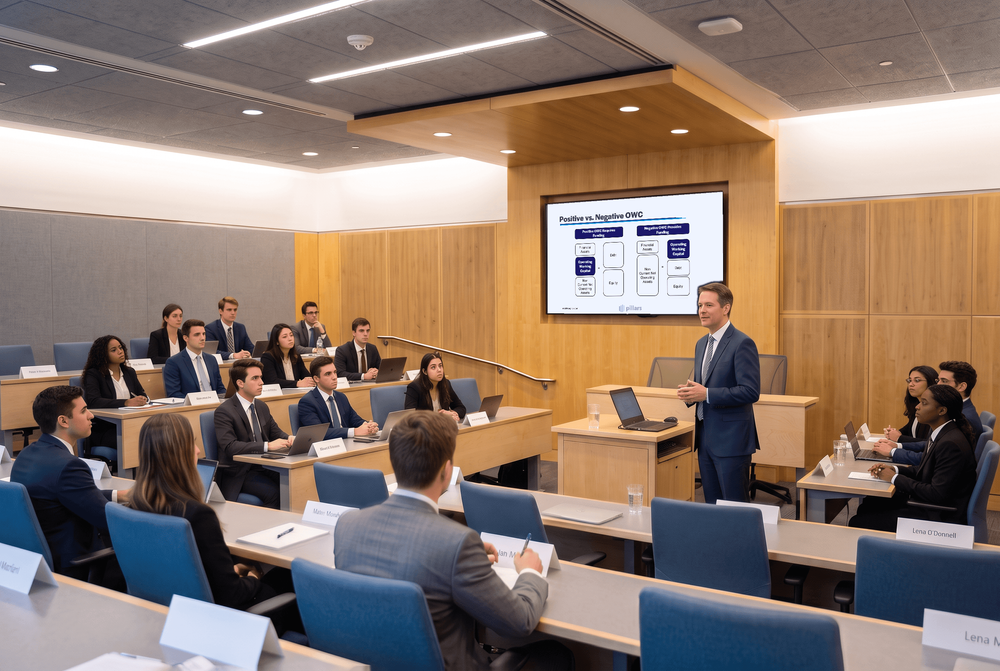
Work through real financial-statement relationships with an instructor who can slow down the mechanics, test the logic, and connect each accounting treatment to the analytical question it answers. The session emphasizes interpretation—not memorizing isolated definitions.

Who this course is for
Designed for analysts, associates, accountants, investors, and business professionals who use financial statements and want a more connected understanding of reported performance.
Preparation that makes the analysis more useful
Bring a recent public-company annual report or a set of financial statements you would like to understand more clearly. No prior accounting coursework is required. Before the session, identify one number, disclosure, or trend that you would like to be able to explain with greater confidence.
Course agenda
Build a connected view of the statements, then use it to analyze performance, liquidity, and financial position.
Navigate the annual report
We begin by locating the financial statements, MD&A, and footnote disclosures that matter most to a focused analysis.
Connect the three statements
We trace how operating transactions flow through the income statement, balance sheet, and cash flow statement.
Interpret earnings and profitability
We distinguish accrual earnings from cash performance and evaluate margins, unusual items, taxes, and per-share results.
Analyze working capital and long-lived assets
We examine operating working capital, cash conversion, depreciation, amortization, capital spending, and impairments.
Evaluate financing and cash flow
We close by interpreting debt, equity, and cash-flow disclosures and by explaining the company’s sources and uses of cash.
A certificate you can share
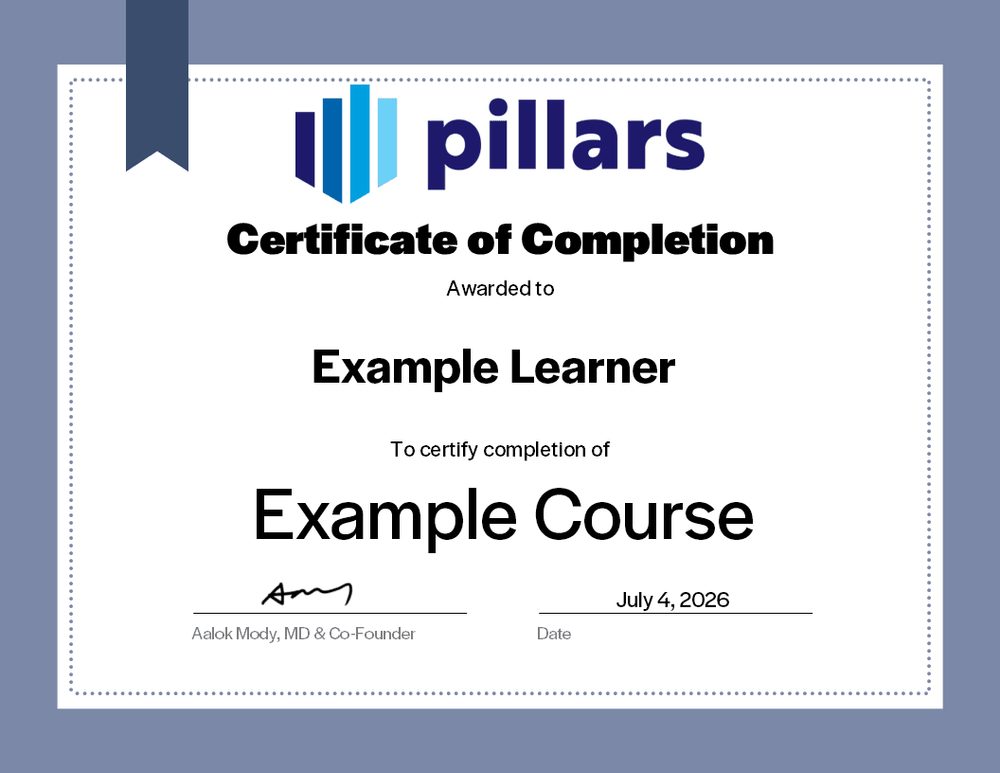
Upon completion, you will receive a certificate signifying your completion. Add it to your LinkedIn profile, résumé, or professional-development record.
Common questions
The practical details, in one place.
Is this live or on demand?
This is a live course that may be delivered via webinar or in-person.
What does the session cover?
The session covers how the income statement, balance sheet, and cash flow statement connect; earnings quality; working capital; non-current assets; financing decisions; and the disclosures behind reported performance.
Are recordings, materials, or certificates included?
Materials are included with the course as well as a certificate indicating completion. Recording availability is subject to contract.
I am a CPA, can this course offer CPE credit?
Yes! Pillars is licensed to provide CPE credit hours for this course.