
Modeling From The Ground Up
Build a three-statement operating model from source filings, historical data, assumptions, and integrated schedules.
Turn public information into an integrated forecast
Overview · Outcomes · Audience · Agenda · Certificate · FAQ
Building a model from the ground up requires a clear architecture and a disciplined construction order. Participants learn how to spread historical financials, organize assumptions, build supporting schedules, integrate the three statements, manage circularity, and test whether the completed model behaves as intended.
The session at a glance
Format · Live instructor-led webinar or in person Learning objectives · Design a practical workbook architecture; spread historical financial statements; build forecast assumptions; construct integrated income-statement, balance-sheet, cash-flow, and debt schedules; manage interest circularity; and perform model-integrity checks.
Live instruction. Build the model in the right order.
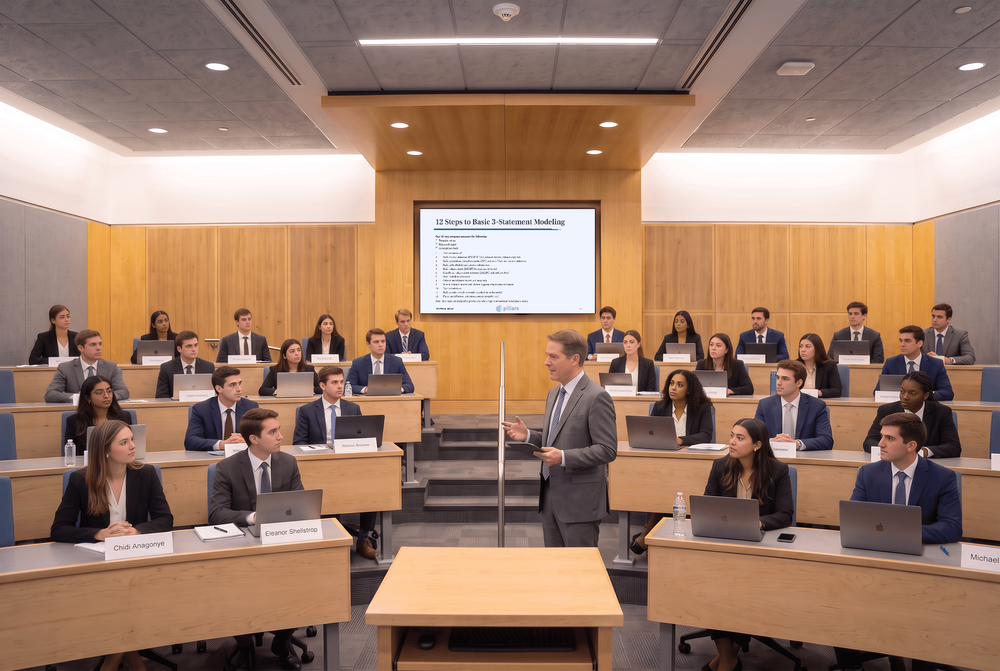
The instructor uses actual Pillars three-statement modeling materials to demonstrate the construction sequence from workbook setup and historicals through statements, schedules, cash, debt, interest, circularity, and final checks. Participants see why the order of operations matters to a stable model.

Who this course is for
Designed for analysts, associates, accountants, corporate-finance teams, consultants, investors, and students who need to build an integrated operating model from company disclosures and supporting assumptions.
How to prepare
Participants should understand the income statement, balance sheet, and cash flow statement and be comfortable entering formulas in Excel. Bring a recent annual report for a company you know, or review how that company presents revenue, working capital, capital expenditures, debt, and cash flow.
Course agenda
Move from reported historical information to a linked forecast that balances and responds correctly to assumptions.
Set up the workbook and source data
Define the model architecture, establish formatting and timing conventions, and spread the historical financial statements.
Build operating assumptions and the income statement
Develop the principal revenue, margin, expense, tax, and noncash assumptions and construct the forecast income statement.
Construct supporting schedules
Build working-capital, fixed-asset, intangible, retained-earnings, debt, and interest calculations.
Integrate the balance sheet and cash flow statement
Link operating and financing accounts, calculate cash flow, and connect ending cash and revolver balances.
Resolve circularity and check the model
Wire interest into the statements, control iterations with a circular switch, stress assumptions, and verify statement balance and output integrity.
A certificate worth sharing
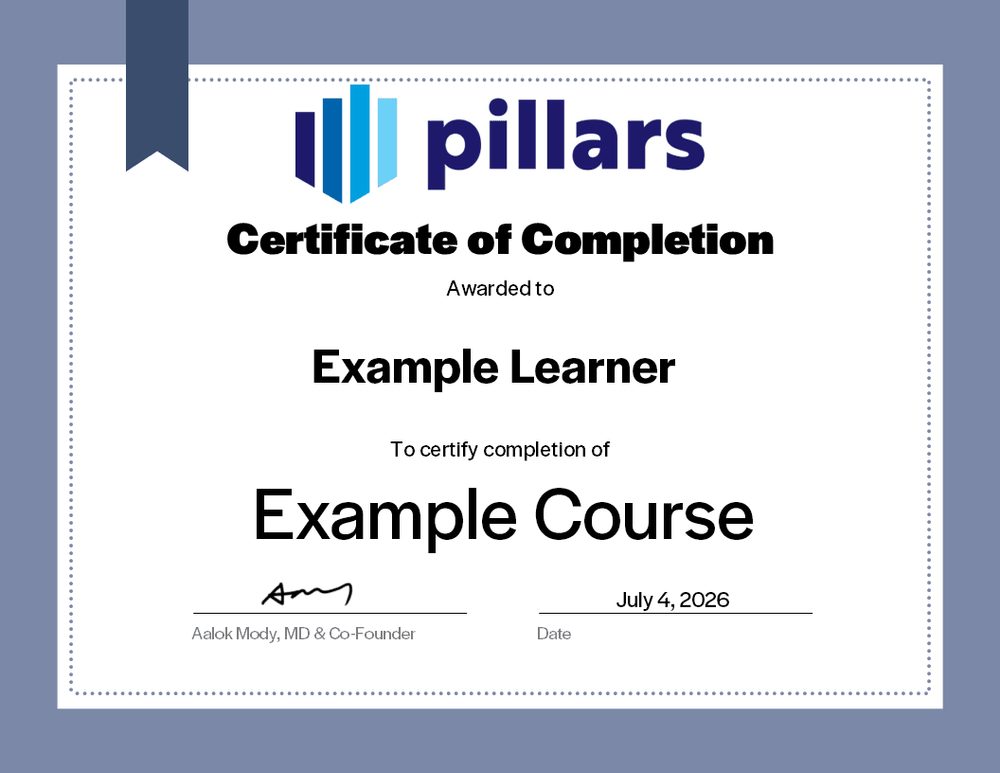
Upon completion, you will receive a certificate signifying your completion. Add it to your LinkedIn profile, résumé, or professional-development record.
Common questions
The practical details, in one place.
Is this live or on demand?
This is a live, instructor-led course delivered as a webinar or in person for a private business or school group.
What does the session cover?
The session covers workbook design, historical spreading, assumptions, the three statements, supporting schedules, debt, cash, interest circularity, and model checks. It focuses on integrated operating modeling rather than valuation or transaction modeling.
Are recordings, materials, or certificates included?
Live sessions include the materials used during the program and a certificate of completion. Recordings are not included unless explicitly arranged in advance.
I am a CPA, can this course offer CPE credit?
Yes. Eligible live sessions can be offered for CPE credit when the program is delivered and documented in accordance with Pillars’ CPE policies. Confirm the specific engagement details with Pillars before the session.
Bring ground-up financial modeling to your team.
Give your team a shared construction method for turning company disclosures and assumptions into an integrated, reviewable forecast.