
Pro-Forma Capital Structure Analysis & Modeling
Model financing decisions and trace their effect on debt, equity, interest, and shareholder outcomes.
Show what the financing decision changes.
A financing transaction changes more than the debt or equity line on the balance sheet. The proceeds have a purpose, financing costs affect earnings, and the resulting capital structure can change leverage and shareholder outcomes.
This course connects financing decisions with an integrated three-statement model. Participants examine sources and uses, debt and equity issuance, dividends, and share repurchases. Practical scenarios show how the transaction flows through the statements and how to assess the resulting leverage, coverage, and dilution.
The session at a glance
Format · Live Instructor-led webinar or In-Person
Learning objectives · Build transaction sources and uses; distinguish debt and equity financing effects; model dividends and share repurchases; integrate financing changes into the three statements; evaluate leverage, coverage, and shareholder outcomes. Compare pro-forma EPS, accretion or dilution, and the operating improvement needed to offset financing effects.
Live instruction. Practical application.
Model practical financing scenarios with the instructor, beginning with the sources and uses and following the effects through the three financial statements.
Participants compare the commercial purpose of a transaction with its modeled consequences. Discussion emphasizes clear assumptions and an explanation of leverage and shareholder effects, rather than treating a completed spreadsheet as the end of the analysis.


Who this is for
- Financial analysts building integrated forecasts or transaction models.
- Corporate-finance and treasury professionals evaluating financing and capital-return choices.
- Accounting and advisory professionals reviewing the financial-statement impact of capital-structure changes.
Come ready to apply the ideas
- Be comfortable with an integrated three-statement model and basic debt and equity terminology.
- Plan to use Excel for the agreed modeling exercises. We will confirm the workbook and software requirements before the session.
- Consider a non-confidential financing question your team faces, such as funding capital expenditure or returning cash to shareholders.
The course agenda
Explore the topics below. We can tailor the emphasis to your team’s needs.
01 · Start with the financing objective
Distinguish funding an investment from refinancing or returning capital to shareholders. Establish the transaction sources and uses before changing the forecast.
02 · Model the financing instruments
Compare the practical features of debt and equity financing. Connect issuance, interest, repayment, and ownership assumptions with the relevant model schedules.
03 · Integrate dividends and share repurchases
Trace capital returns through cash balances, shareholders’ equity, and the share count. Examine the interaction between financing choices and per-share results.
04 · Evaluate the pro-forma structure
Reconcile the financial statements and review leverage and coverage. Compare pro-forma EPS and accretion or dilution across financing scenarios, including the operating improvement required to reach a breakeven result. Explain the consequences for the company’s financial position and its shareholders.
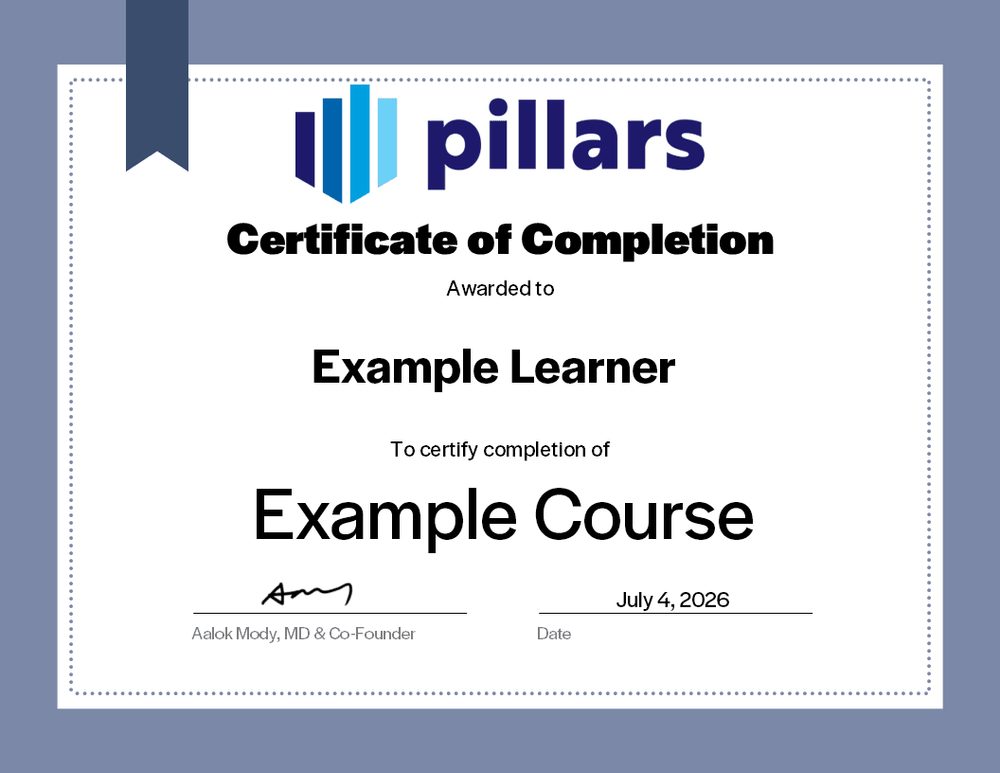
Your certificate of completion
Upon completion, you will receive a certificate signifying your completion. Add it to your LinkedIn profile, résumé, or professional-development record.
Common questions
The practical details, in one place.
Is this live or on demand?
This is a live course that may be delivered via webinar or in-person.
What does the session cover?
Sources and uses, debt and equity financing, dividends and share repurchases, integrated three-statement modeling, pro-forma EPS, accretion or dilution, leverage, coverage, and scenario analysis.
Are recordings, materials, or certificates included?
Materials are included with the course as well as a certificate indicating completion. Recording availability is subject to contract.
I am a CPA, can this course offer CPE credit?
CPE availability is confirmed for the specific scheduled offering before registration. Contact Pillars to discuss your team’s requirements.