
Receiving and Giving Feedback
Give clear, useful feedback and receive difficult input with the judgment, composure, and follow-through that improve performance.
Make feedback a productive two-way conversation
Overview · Outcomes · Audience · Agenda · Certificate · FAQ
Feedback is most useful when it is timely, specific, accurate, and connected to performance or professional behavior. Participants learn how to prepare and deliver constructive input, listen without becoming defensive, clarify what they hear, respond to disagreement, and turn the conversation into an action plan.
The session at a glance
Format · Live instructor-led webinar or in person Learning objectives · Distinguish constructive from destructive feedback; prepare specific evidence and a clear purpose; deliver feedback about performance and behavior without personal attacks; receive feedback with active listening and emotional control; respond to disputed input professionally; and document practical next steps.
Live instruction. Make feedback specific, fair, and actionable.
Using actual Pillars feedback materials, the instructor treats feedback as a two-way process requiring attention, participation, communication skill, accurate information, and timely information from both the giver and receiver. Participants practice preparing the message, listening without escalation, and converting the discussion into a credible plan.


Who this course is for
Designed for managers, team leads, project owners, peers, and professionals who give performance or behavioral feedback, receive input from others, or support development conversations across a team.
How to prepare
Bring one feedback conversation you expect to give or receive. Remove confidential names, then note the observable behavior or result, the impact it created, the evidence available, the outcome you want, and the questions that could make the conversation genuinely two-way.
Course agenda
Build the conversation from accurate evidence and clear purpose through listening, response, and follow-through.
Define effective feedback
Connect attention, participation, communication, accuracy, and timing to a useful two-way exchange.
Prepare to give feedback
Choose an appropriate setting, gather specific evidence, focus on performance or conduct, and define the desired outcome.
Deliver the message constructively
Use neutral language, explain impact, avoid personal attacks and bias, and give the receiver time to respond.
Receive and test the feedback
Listen for positives and concerns, ask for examples, manage emotion, and separate useful information from the delivery style.
Respond and follow through
Address disagreements with evidence, acknowledge valid criticism, agree on an action plan, and document the next steps professionally.
A certificate worth sharing
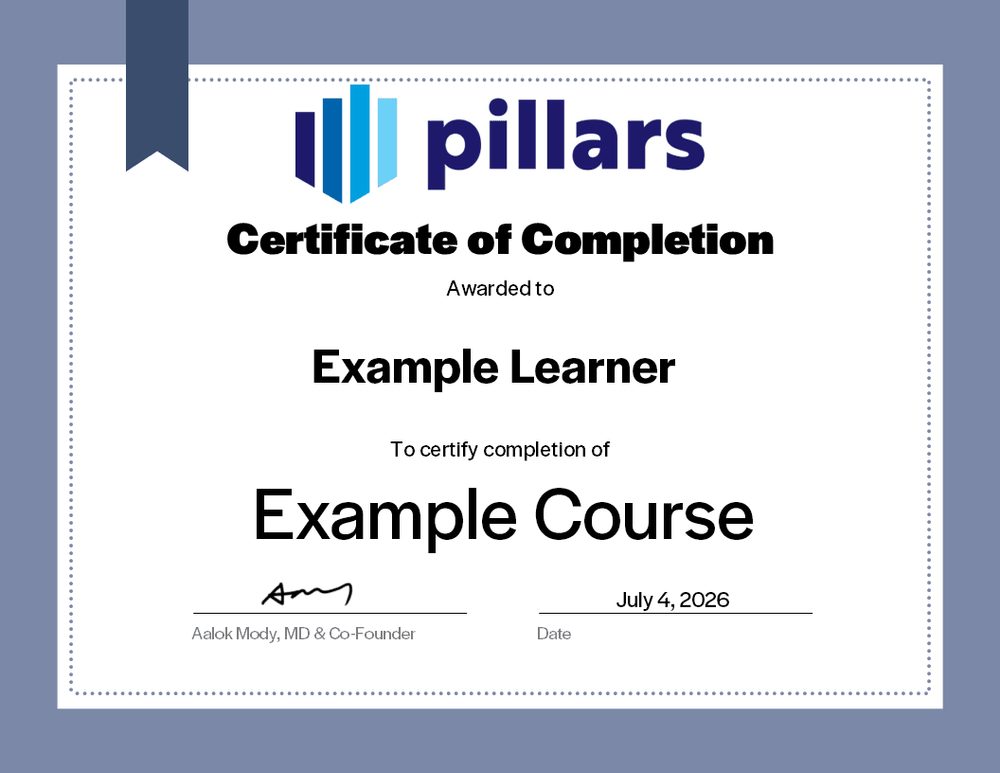
Upon completion, you will receive a certificate signifying your completion. Add it to your LinkedIn profile, résumé, or professional-development record.
Common questions
The practical details, in one place.
Is this live or on demand?
This is a live, instructor-led course delivered as a webinar or in person for a private business or school group.
What does the session cover?
The session covers constructive feedback, preparation, specific evidence, performance and behavior, two-way communication, body language, receiving feedback, disputed input, action plans, and follow-up.
Are recordings, materials, or certificates included?
Live sessions include the materials used during the program and a certificate of completion. Recordings are not included unless explicitly arranged in advance.
I am a CPA, can this course offer CPE credit?
Yes. Eligible live sessions can be offered for CPE credit when the program is delivered and documented in accordance with Pillars’ CPE policies. Confirm the specific engagement details with Pillars before the session.
Bring practical feedback training to your team.
Help your people exchange candid, specific feedback that strengthens performance without damaging trust.