
Short-Form M&A Modeling Live
Build a focused merger model that turns essential deal assumptions into accretion-dilution, ownership, and leverage analysis.
Answer the key M&A questions with a focused model
Overview · Outcomes · Audience · Agenda · Certificate · FAQ
A short-form merger model provides a fast, structured view of transaction economics without building full standalone three-statement forecasts for both companies. Participants learn how to organize market data and assumptions, calculate purchase consideration and financing, build selected pro forma statements, and measure accretion-dilution, ownership dilution, and leverage impact.
The session at a glance
Format · Live instructor-led webinar or in person Learning objectives · Explain the purpose and limits of a short-form merger model; organize market data, diluted shares, transaction assumptions, and valuation inputs; build sources and uses and financing; calculate goodwill and selected pro forma statements; determine pro forma shares and exchange ratio; and evaluate accretion-dilution, ownership dilution, leverage, and synergy breakeven.
Live instruction. Build the short-form merger model efficiently.
Using actual Pillars short-form M&A materials, the instructor moves from market data and diluted shares through transaction assumptions, sources and uses, goodwill, pro forma balance-sheet and income-statement adjustments, share count, accretion-dilution, ownership dilution, and leverage impact.


Who this course is for
Designed for investment banking, corporate development, transaction advisory, private equity, accounting, and finance professionals who need a fast, conceptually sound transaction screen before a full long-form model is warranted.
How to prepare
Review enterprise value and equity value, diluted shares, sources and uses, purchase consideration, and basic EPS. Bring a calculator and be ready to explain how cash, debt, and stock financing can change accretion, ownership, and leverage.
Course agenda
Build a concise merger model that answers the transaction questions decision-makers ask first.
Frame the short-form analysis
Define what the model will answer, what inputs are required, and how it differs from a long-form merger model.
Set market and transaction assumptions
Organize share prices, diluted shares, valuation, financing, rates, fees, synergies, and amortization periods.
Build sources, uses, and goodwill
Calculate purchase consideration, refinanced debt, fees, financing sources, and acquisition goodwill.
Create the selected pro forma statements
Combine the key balance-sheet and income-statement effects and calculate the pro forma share count.
Evaluate the transaction outputs
Measure accretion-dilution, synergy breakeven, ownership dilution, exchange ratio, and leverage impact.
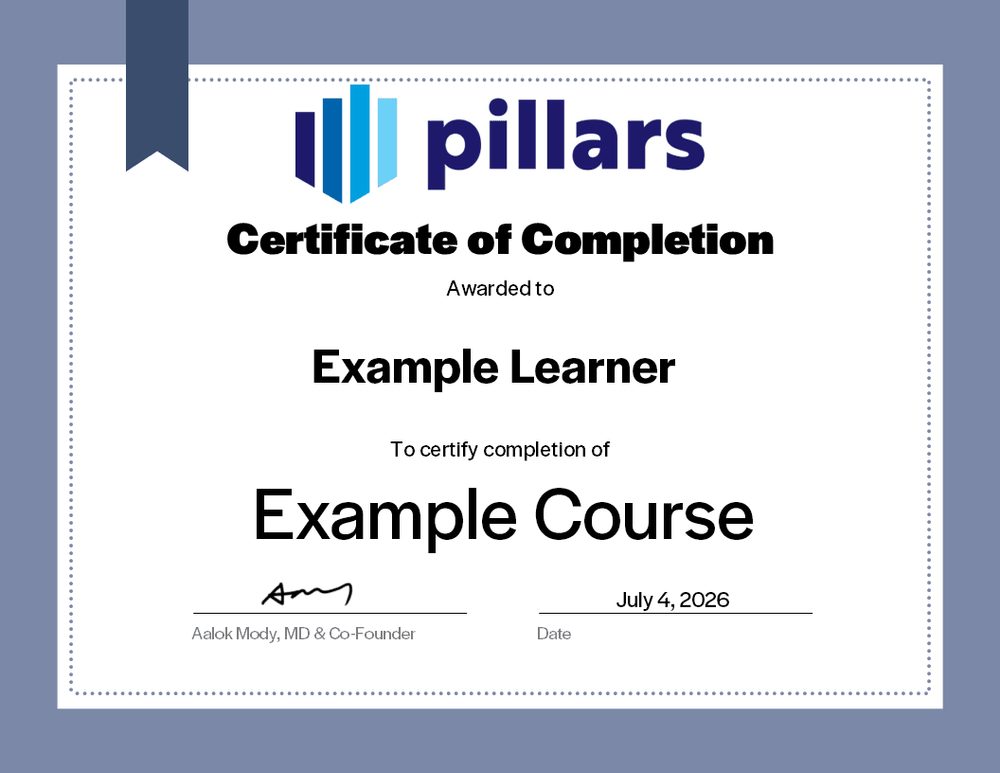
A certificate worth sharing
Upon completion, you will receive a certificate signifying your completion. Add it to your LinkedIn profile, résumé, or professional-development record.
Common questions
The practical details, in one place.
Is this live or on demand?
This is a live, instructor-led course delivered as a webinar or in person for a private business or school group.
What does the session cover?
The session covers short-form merger modeling, market and share data, financing assumptions, sources and uses, goodwill, selected pro forma statements, share count, accretion-dilution, synergy breakeven, ownership dilution, and leverage impact.
Are recordings, materials, or certificates included?
Live sessions include the materials used during the program and a certificate of completion. Recordings are not included unless explicitly arranged in advance.
I am a CPA, can this course offer CPE credit?
Yes. Eligible live sessions can be offered for CPE credit when the program is delivered and documented in accordance with Pillars’ CPE policies. Confirm the specific engagement details with Pillars before the session.
Bring practical short-form M&A modeling to your team.
Help your people turn essential deal assumptions into fast, decision-ready transaction analysis.