
Transaction Comparables
Understand what comparable acquisitions reveal—and what deal structure, timing, and synergies can distort—when valuing a business.
Use deal evidence without losing the deal context
Overview · Outcomes · Audience · Agenda · Certificate · FAQ
An acquisition price reflects more than the target’s earnings. Control, consideration, timing, assets acquired, and buyer-specific expectations can all affect the multiple a transaction appears to support.
This session explains how to select comparable deals, calculate transaction values, and interpret the resulting multiples. Participants learn to separate useful valuation evidence from differences that require adjustment or caution.
The session at a glance
Format · Live instructor-led webinar or in-person
Focus · Comparable deals, transaction enterprise and equity value, consideration, timing, and historical or forward multiples
Learning objectives · Select relevant transactions, calculate consistent deal values, and explain the context and limitations of transaction multiples.
Live instruction. Real transaction context.
What to expect
- A practical comparison of transaction and trading comparables, including control and deal-specific considerations.
- A structured approach to transaction values, consideration, share capital, and announcement or closing dates.
- Discussion of how historical, forward, and synergized multiples can change the interpretation of a deal.
The goal is to make the transaction evidence transparent before applying it to another business.


Who this is for
- Analysts and associates supporting valuation or M&A work
- Accounting and finance professionals reviewing transaction analyses
- Corporate-development and investment teams using precedent deals
- Students with a basic grounding in enterprise and equity value
How to prepare
Familiarity with enterprise value, equity value, and financial statements is helpful.
Come prepared to compare the economics of two deals rather than relying on a headline purchase price. Think about what was bought, how it was paid for, and which earnings period a quoted multiple uses.
Course agenda
Follow the analysis from a transaction universe to consistent values and a defensible interpretation.
Select transactions that are relevant to the target.
Evaluate the factors behind a comparable-deal universe, including business characteristics, public or private target status, and deal dynamics.
Distinguish transaction multiples from trading multiples.
Explain control, timing, and transaction circumstances and why an acquisition multiple may differ from a public-company trading multiple.
Calculate enterprise and equity transaction values.
Read share capital and consideration, and distinguish purchasing an entire company’s equity from acquiring selected assets.
Align the dates and earnings measures used.
Compare announcement and closing dates, LTM and forward measures, and the treatment of synergy-adjusted earnings.
Interpret a transaction-based valuation range.
Assess the strengths and weaknesses of the evidence and explain the assumptions that matter when applying deal multiples to the target.
A certificate you can share
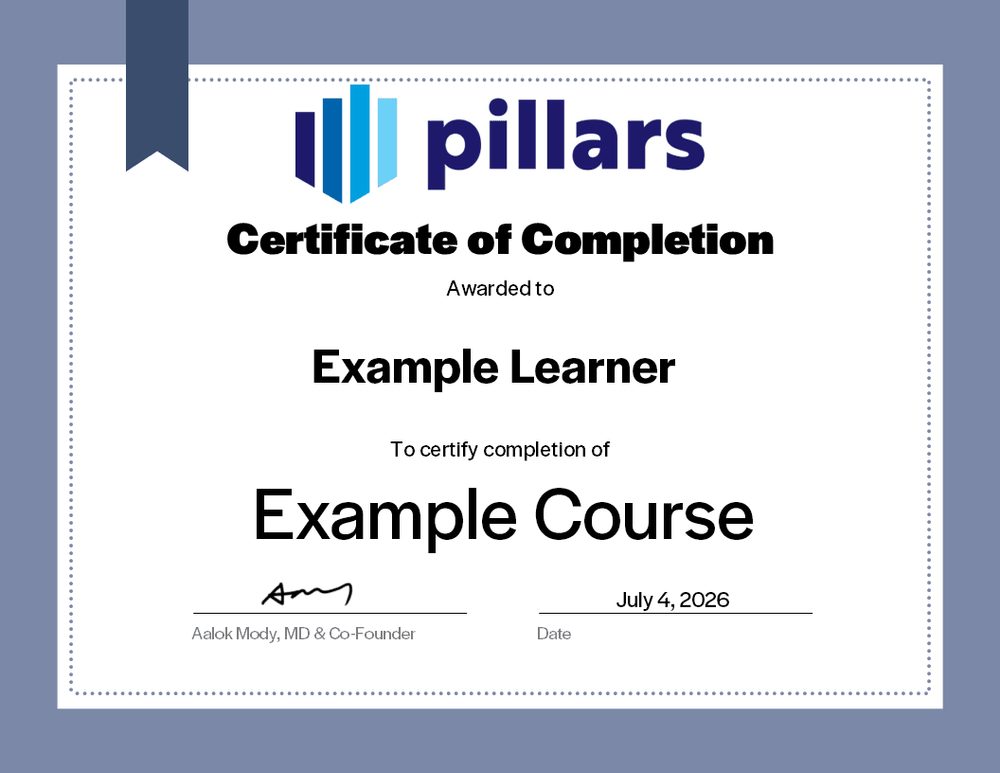
Upon completion, you will receive a certificate signifying your completion. Add it to your LinkedIn profile, résumé, or professional-development record.
Common questions
The practical details, in one place.
Is this live or on demand?
This is a live course that may be delivered via webinar or in-person.
What does the session cover?
Comparable-transaction selection, deal enterprise and equity values, consideration, share capital, announcement and closing dates, and historical, forward, or synergized multiples.
Are recordings, materials, or certificates included?
Materials are included with the course as well as a certificate indicating completion. Recording availability is subject to contract.
I am a CPA, can this course offer CPE credit?
Yes! Pillars is licensed to provide CPE credit hours for this course.