
A practical foundation for using AI in finance
Generative AI can help finance professionals organize information, explore questions, and communicate ideas more efficiently. It does not replace the evidence, controls, or professional judgment behind a sound conclusion.
The session at a glance
Format · Live instructor-led webinar or in person
Learning objectives · Understand practical generative-AI capabilities, write and refine clear prompts, evaluate AI-generated output, and protect sensitive information.
Learn through practical finance scenarios
The course uses finance-oriented examples to show how AI can support research, summarization, comparison, and explanation. The emphasis stays on asking better questions, checking the result against reliable sources, and documenting the judgment behind the work.


Who this course is for
Designed for finance and accounting professionals who want a grounded introduction to using generative AI in day-to-day work.
Preparation
Come prepared with a finance or accounting task you would like to improve—such as summarizing public information, comparing alternatives, or explaining an analysis—and a clear picture of what a useful result would look like. Use only public or non-sensitive examples, and follow your organization’s policies before entering information into any AI tool. Check with your training coordinator about any platform access or session-specific setup before the course.
Course agenda
Explore the practical foundations, workflows, and controls that help finance professionals use AI with confidence.
Foundations of generative AI
Explore what generative AI and large language models do, how they produce responses, and why confident output is not the same as reliable analysis. Distinguish productive use cases from situations that require additional evidence, controls, or human judgment.
Prompt design for finance work
Turn a broad request into a clear prompt by defining the objective, supplying relevant context, setting constraints, and specifying the desired format. Improve weak results through targeted follow-up questions and deliberate iteration instead of starting over without diagnosing the problem.
Practical applications
Apply AI to common finance activities such as organizing public information, comparing alternatives, summarizing documents, and explaining analytical conclusions. Identify where AI can accelerate the workflow while keeping the finance professional responsible for the final result.
Review and verification
Evaluate AI-generated output by tracing claims to reliable sources and checking assumptions, calculations, and conclusions. Recognize omissions, unsupported statements, and persuasive-sounding errors before they enter a work product.
Responsible use
Protect confidential and sensitive information by following organizational policies and choosing appropriate inputs for the tool being used. Document important decisions and preserve meaningful human review so the work remains accountable and reproducible.
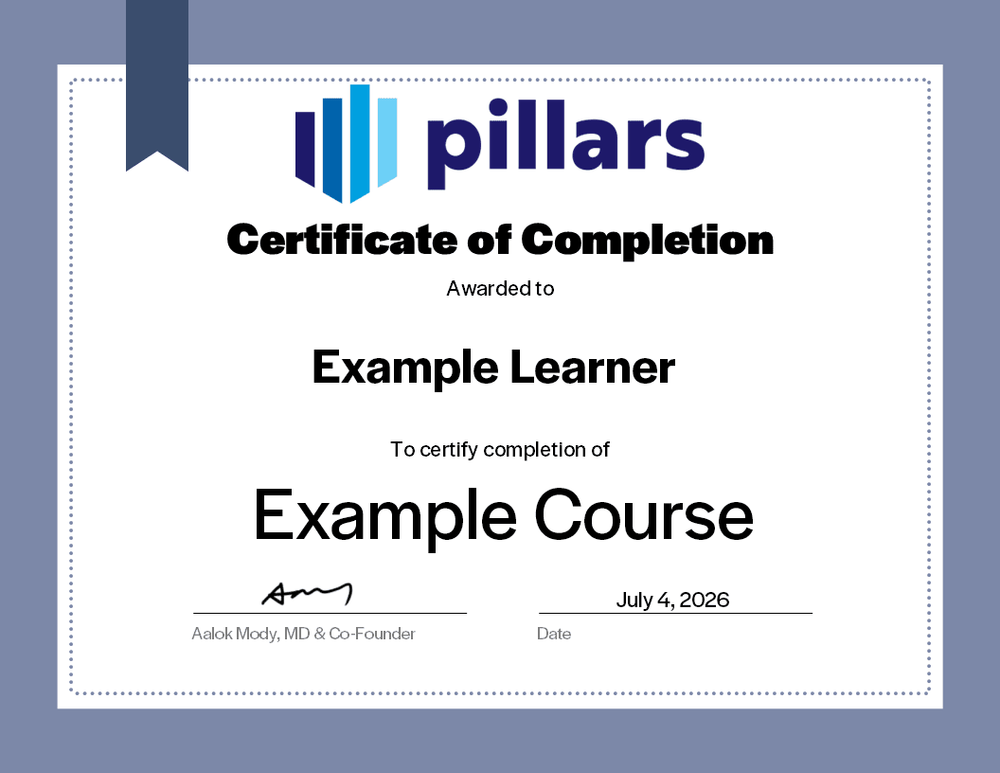
Your certificate of completion
Upon completion, you will receive a certificate signifying your completion. Add it to your LinkedIn profile, résumé, or professional-development record.
Common questions
The practical details, in one place.
Is this course live or on demand?
This is a live course that may be delivered by webinar or in person.
What should I expect?
This live course includes guided instruction and a certificate of completion. Any materials or recording availability depends on the confirmed delivery arrangement.
Can this course offer CPE credit?
Yes! Pillars is licensed to provide CPE credit hours for this course.
How should I prepare?
Bring the questions and workflows you want to evaluate; the course begins with practical foundations.