
Error Checking – Auditing Client Operating Models
Audit an operating model systematically, find hidden errors, and document a reliable correction process.
Find the errors a balanced model can still hide
Overview · Outcomes · Audience · Agenda · Certificate · FAQ
A model can balance and still be wrong. This live course provides a structured audit process for reviewing statement links, projection formulas, assumptions, circularity, cash flow, debt schedules, outputs, and ratios so reviewers can identify both visible errors and subtler logic problems.
The session at a glance
Format · Live instructor-led webinar or in person Learning objectives · Plan a systematic model audit; isolate circular references; diagnose balance-sheet differences; test projected formulas and statement links; evaluate assumptions for reasonableness; inspect outputs and ratios; and document corrections clearly.
Live instruction. Audit the model in a defensible sequence.
Using actual Pillars model-checking materials, the instructor demonstrates why balance alone does not prove correctness. Participants work through the audit order for iterations, statements, calculations, debt, assumptions, outputs, and ratios, then connect each finding to an appropriate correction.


Who this course is for
Designed for investment-banking, consulting, accounting, corporate-finance, restructuring, private-equity, and credit professionals, as well as students, who review operating models prepared by another person or team.
How to prepare
Participants should understand the three financial statements and common Excel formulas. Bring a model that has produced an unexplained error or a brief example of a review issue you have encountered. Advanced programming experience is not required.
Course agenda
Apply a consistent audit order that separates model symptoms from the calculations causing them.
Understand the model and define the review
Map the workbook, identify critical outputs, save a controlled copy, and establish the audit objective.
Remove circularity and isolate errors
Turn off iterations, remove interest circularity, and investigate any circular references that remain.
Reconcile the financial statements
Check subtotals, cash-flow treatment, signs, statement links, and the causes of an unbalanced balance sheet.
Review forecasts and schedules
Test the first projection period, formula consistency, calculations, debt schedules, and copy-across logic.
Challenge assumptions and scrub outputs
Assess reasonableness, stress the model, review trends and ratios, restore intended circularity, and document the correction trail.
A certificate worth sharing
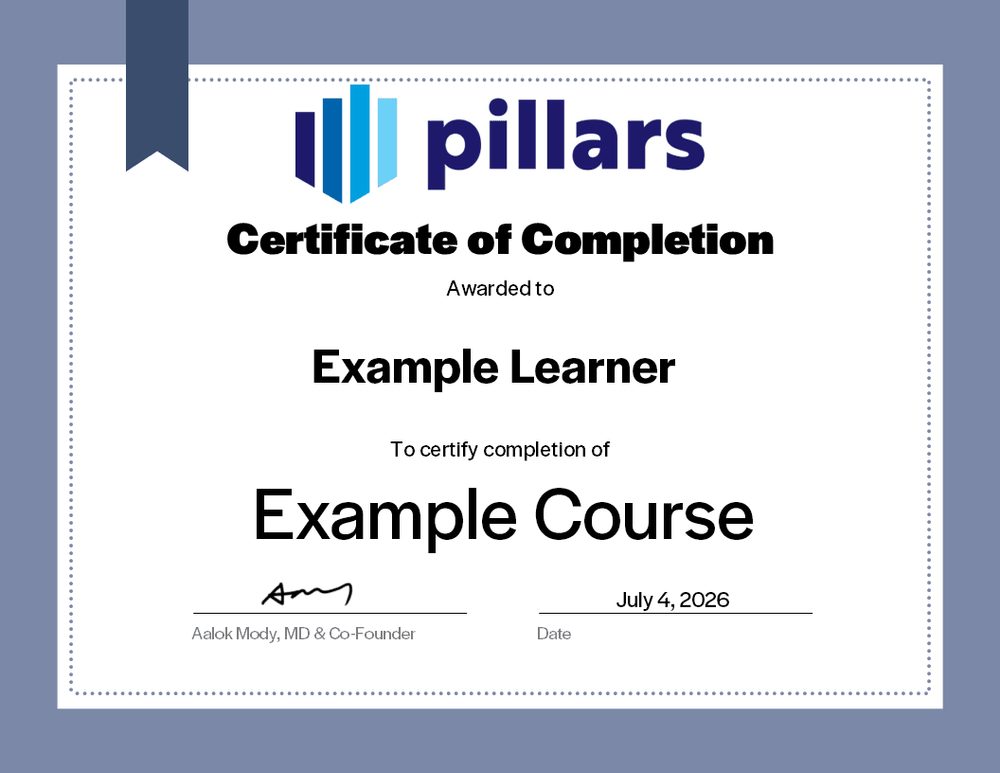
Upon completion, you will receive a certificate signifying your completion. Add it to your LinkedIn profile, résumé, or professional-development record.
Common questions
The practical details, in one place.
Is this live or on demand?
This is a live, instructor-led course delivered as a webinar or in person for a private business or school group.
What does the session cover?
The session covers model architecture, circularity, balance-sheet diagnosis, statement and schedule links, projection formulas, assumptions, stress testing, outputs, ratios, and correction documentation. It focuses on auditing operating models rather than external audit assurance.
Are recordings, materials, or certificates included?
Live sessions include the materials used during the program and a certificate of completion. Recordings are not included unless explicitly arranged in advance.
I am a CPA, can this course offer CPE credit?
Yes. Eligible live sessions can be offered for CPE credit when the program is delivered and documented in accordance with Pillars’ CPE policies. Confirm the specific engagement details with Pillars before the session.
Bring practical model-audit training to your team.
Give reviewers a repeatable way to find modeling errors, explain the root cause, and document corrections before decisions depend on the output.