
Long-Form M&A Modeling (Live)
Combine buyer and target operating models into a detailed pro forma merger model with deal adjustments and decision-ready outputs.
Build the combined company from the ground up
Overview · Outcomes · Audience · Agenda · Certificate · FAQ
A long-form merger model goes beyond a quick accretion-dilution screen. Participants learn how to combine buyer and target three-statement models, layer in transaction financing and deal adjustments, construct the opening balance sheet, and produce a fully integrated pro forma company for detailed analysis.
The session at a glance
Format · Live instructor-led webinar or in person Learning objectives · Differentiate long-form from short-form merger modeling; organize buyer and target operating models; build deal terms, sources and uses, goodwill, financing, synergies, and pro forma shares; construct the combined opening balance sheet and three financial statements; and evaluate accretion-dilution, ownership, leverage, contribution, ROIC, and other transaction outputs.
Live instruction. Integrate buyer, target, and deal mechanics.
Using actual Pillars long-form M&A materials, the instructor works through the build sequence: buyer and target operating models, deal terms, financing, goodwill, deal adjustments, the combined opening balance sheet, and the pro forma income statement, balance sheet, and cash flow statement.


Who this course is for
Designed for investment banking, corporate development, transaction advisory, private equity, accounting, and finance professionals who need to build and review detailed merger models with integrated financial statements.
How to prepare
Review three-statement modeling, enterprise value and equity value, purchase consideration, sources and uses, and basic accretion-dilution concepts. Bring a calculator and be ready to trace one deal assumption through the combined financial statements.
Course agenda
Move from standalone companies to a fully integrated pro forma transaction model.
Prepare buyer and target forecasts
Organize the standalone three-statement operating models that provide the transaction baseline.
Build deal terms and financing
Model company information, purchase consideration, sources and uses, financing cases, and goodwill.
Add transaction adjustments
Incorporate fair-value adjustments, acquisition debt, financing fees, synergies, and new shares.
Construct the pro forma company
Build the combined opening balance sheet and the pro forma income statement, balance sheet, and cash flow statement.
Evaluate transaction outputs
Analyze accretion-dilution, ownership, leverage, contribution, ROIC, financing cases, and price sensitivities.
A certificate worth sharing
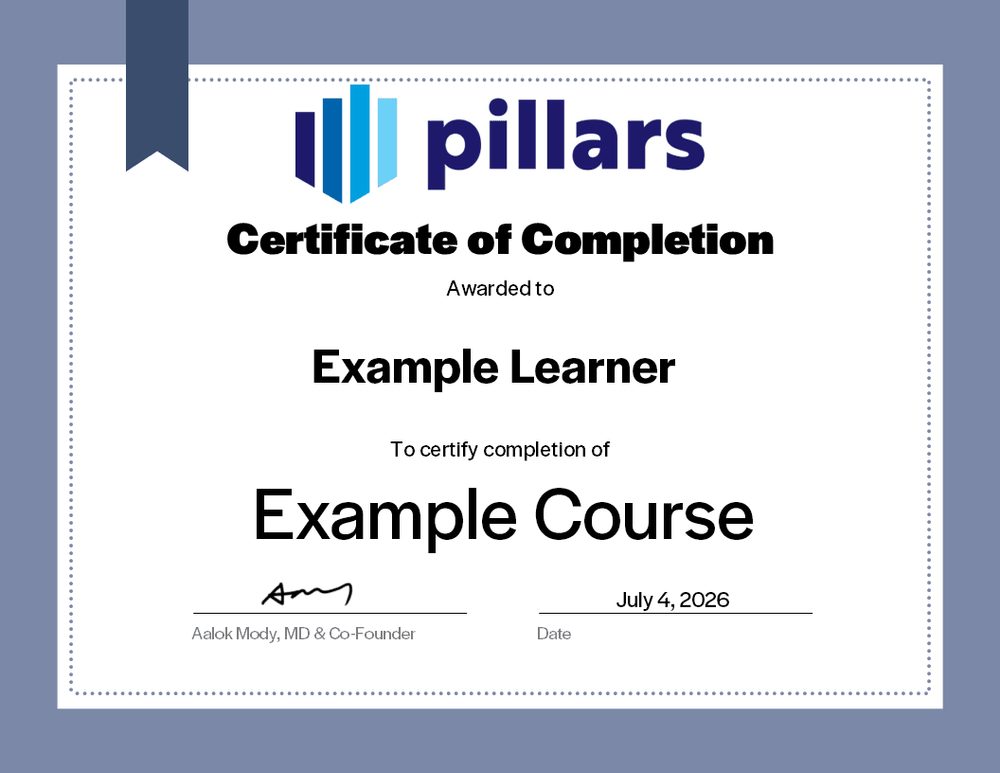
Upon completion, you will receive a certificate signifying your completion. Add it to your LinkedIn profile, résumé, or professional-development record.
Common questions
The practical details, in one place.
Is this live or on demand?
This is a live, instructor-led course delivered as a webinar or in person for a private business or school group.
What does the session cover?
The session covers long-form merger modeling, buyer and target three-statement forecasts, deal terms, financing, sources and uses, goodwill, deal adjustments, combined financial statements, accretion-dilution, ownership, leverage, contribution, and ROIC.
Are recordings, materials, or certificates included?
Live sessions include the materials used during the program and a certificate of completion. Recordings are not included unless explicitly arranged in advance.
I am a CPA, can this course offer CPE credit?
Yes. Eligible live sessions can be offered for CPE credit when the program is delivered and documented in accordance with Pillars’ CPE policies. Confirm the specific engagement details with Pillars before the session.
Bring practical long-form M&A modeling to your team.
Help your people build integrated merger models that connect standalone forecasts, transaction mechanics, and combined-company analysis.