
Tax Changes and The Impact on Financial Modeling
Connect tax assumptions to cash flow, deferred taxes, and the financial-model decisions they affect.
Make the tax assumptions visible in the model.
Tax changes can alter the timing of cash payments, the value of deductions, and the relationship between reported earnings and cash flow. A useful financial model needs to show those effects clearly, rather than hide them inside a single tax-rate assumption.
This course focuses on the modeling concepts behind bonus depreciation, interest deductibility, book-versus-tax differences, and deferred tax assets and liabilities. Before delivery, we agree the relevant jurisdiction, tax year, and participant needs, then refresh the session materials and examples for that engagement. The course is not presented as a summary of one historic tax reform.
The session at a glance
Format · Live Instructor-led webinar or In-Person
Learning objectives · Distinguish book tax expense from cash taxes; model depreciation and interest-deduction assumptions; examine loss-utilization assumptions; explain temporary differences and deferred taxes; assess the effects on financial statements, cash flow, and valuation; document effective and marginal tax-rate assumptions.
Live instruction. Practical application.
Follow tax assumptions through a financial forecast using practical, clearly labeled examples. The instructor connects deductions and temporary differences to cash tax payments and deferred tax balances.
The session emphasizes model structure and interpretation. Applicable rules, numerical inputs, and examples are refreshed for the booked engagement rather than carried forward from an old tax-code presentation.


Who this is for
- Financial-modeling and corporate-finance professionals updating forecast assumptions.
- FP&A and accounting teams connecting tax forecasts with the three financial statements.
- CPAs and advisors who need to explain the financial consequences of tax assumptions.
Come ready to apply the ideas
- Be familiar with the three financial statements and basic forecast-model structure.
- Bring a calculator and, if agreed for the session, Excel. Any illustrative models and software requirements will be confirmed beforehand.
- Tell us the jurisdiction, tax year, and issues relevant to your team so the materials can be refreshed for the booked engagement. Please do not send confidential tax returns through the inquiry form.
The course agenda
Explore the topics below. We can tailor the emphasis to your team’s needs.
01 · Build a clear book-to-tax framework
Distinguish reported tax expense, taxable income, and cash taxes. Establish which assumptions belong in the forecast and how the model will document their applicable period.
02 · Model depreciation and interest assumptions
Examine bonus depreciation and interest-deduction concepts through their effect on the timing of taxable income. Apply the rules and inputs agreed for the engagement without treating historic examples as current law.
03 · Link temporary differences and deferred taxes
Trace differences between book and tax accounting through deferred tax assets and liabilities. Consider loss-utilization assumptions and effective versus marginal tax rates, connecting the results with the three financial statements.
04 · Test scenarios and communicate the impact
Compare the financial and valuation effects of alternative tax assumptions. Explain the result in terms of earnings, liquidity, and model sensitivities, with clear documentation of the inputs that require specialist confirmation.
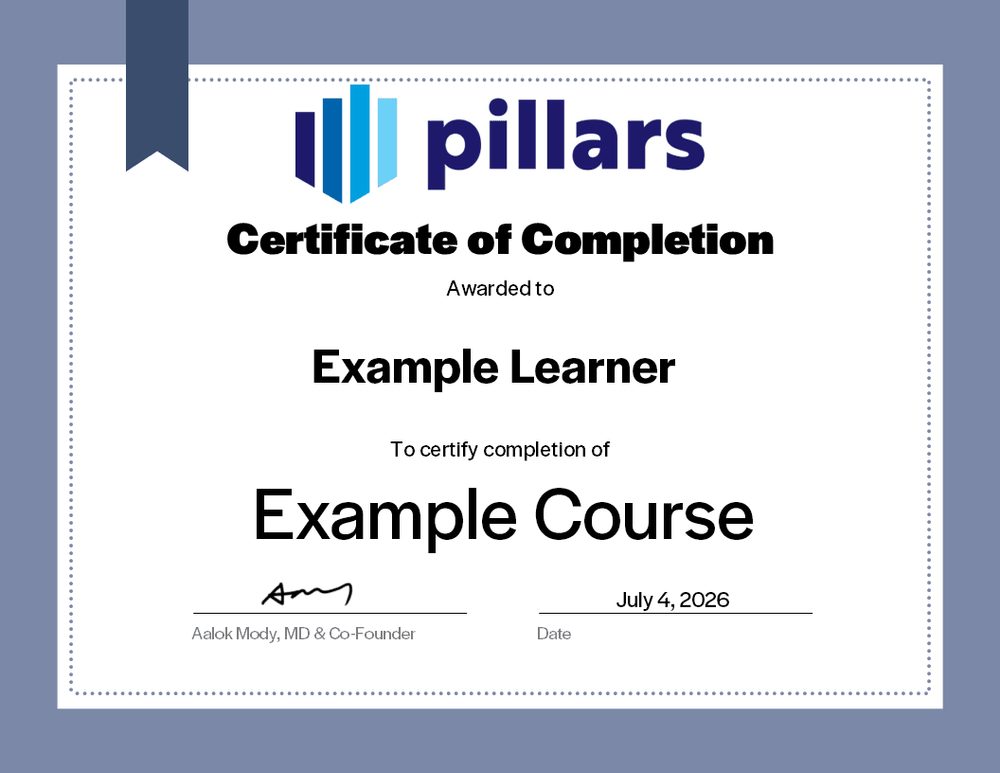
Your certificate of completion
Upon completion, you will receive a certificate signifying your completion. Add it to your LinkedIn profile, résumé, or professional-development record.
Common questions
The practical details, in one place.
Is this live or on demand?
This is a live course that may be delivered via webinar or in-person.
What does the session cover?
The modeling impact of bonus depreciation, interest deductibility, differences between GAAP and tax accounting, loss-utilization assumptions, effective and marginal tax rates, deferred tax assets and liabilities, and cash-flow and valuation scenarios. Materials and examples are refreshed for the jurisdiction and period agreed when the session is booked.
Are recordings, materials, or certificates included?
Materials are included with the course as well as a certificate indicating completion. Recording availability is subject to contract.
I am a CPA, can this course offer CPE credit?
CPE availability is confirmed for the specific scheduled offering before registration. Contact Pillars to discuss your team’s requirements.